
 INSIGHTS
Retirement is a Financial Transition,
Not a Finish Line
by Larson Gross
ARTICLE | June 11, 2026
TL;DR
|
Retirement is often viewed as the culmination of years of saving and investing. In reality, it marks the beginning of a new financial phase. The challenge shifts from accumulating wealth to managing it in a way that supports sustainable income, minimizes tax inefficiencies, adapts to changing circumstances, and aligns with long-term legacy goals. The most effective retirement plans are not static. They evolve alongside life. For most of our working years, financial planning centers on a single objective: building enough wealth to eventually retire. Once retirement arrives, however, the focus changes dramatically. The question is no longer, “Am I saving enough?” Instead, it becomes, “How do I make what I’ve built last and work efficiently for the rest of my life?” This transition is often more complex than many people anticipate. |
Retirement introduces a new set of considerations, from generating reliable income and managing taxes to navigating healthcare costs and planning for future generations. Success is no longer defined solely by the size of a portfolio, but by how well all the pieces of a financial plan work together.
Income Planning Changes the Equation
One of the biggest shifts in retirement is moving from accumulation to distribution.
While investment growth remains important, retirement outcomes are often influenced just as much by withdrawal decisions as investment performance. Income may come from several sources, including Social Security, retirement accounts, investment portfolios, pensions, or other assets. How and when those resources are accessed can have a significant impact on both tax liability and long-term sustainability.
Market volatility also takes on a different meaning during retirement. A downturn may feel temporary for someone still contributing to investments, but for retirees drawing income, losses can be more difficult to recover from. This is why retirement planning requires more than a withdrawal strategy. It requires a thoughtful income framework that can weather changing market conditions.
Tax Planning Remains Essential
Many people assume their tax planning responsibilities decline once they stop working. In reality, retirement often introduces new tax complexities.
Withdrawals from traditional retirement accounts, Social Security benefits, capital gains, Roth distributions, and Required Minimum Distributions can all affect taxable income in different ways. Decisions that seem straightforward on the surface can create unintended consequences elsewhere, including higher Medicare premiums or additional taxes.
The most effective retirement strategies often look beyond the current year and focus on maintaining flexibility over the long term. Small decisions made today can have a meaningful impact on future tax outcomes.
Preparing for Longevity and Healthcare Costs
People are living longer than previous generations, which is both an opportunity and a financial challenge.
A retirement that lasts 25 or 30 years requires a different level of planning than one that lasts 10 or 15. Healthcare expenses, inflation, and potential long-term care needs can place significant pressure on retirement resources over time.
Because these costs are difficult to predict, retirement planning should not rely solely on average assumptions. A resilient plan creates flexibility, helping individuals adapt to unexpected expenses or changes in circumstances without disrupting their broader financial goals.
Legacy Planning Is More Than an Estate Plan
As retirement progresses, many people begin thinking more intentionally about the impact they want their wealth to have.
While wills, trusts, and beneficiary designations remain important, legacy planning extends beyond legal documents. It involves thoughtful conversations about family priorities, charitable intentions, and how wealth can be transferred in a way that reflects personal values.
For some, the goal is simplicity and efficiency. For others, it is creating opportunities for future generations or supporting causes that matter deeply to them. Either way, legacy planning is most effective when it is addressed proactively rather than left to chance.
Retirement Planning Is Never Truly Finished
Perhaps the most common misconception about retirement is that the planning ends once retirement begins.
In practice, retirement often requires ongoing attention. Markets shift, tax laws evolve, spending patterns change, and personal priorities adjust over time. A strategy that works well in the early years of retirement may need refinement later on.
The most successful retirees recognize that retirement is not a destination. It is a new financial phase that requires regular review and thoughtful decision-making.
The goal is not simply to preserve wealth. It is to coordinate income, investments, taxes, healthcare planning, and legacy objectives in a way that supports both today’s needs and tomorrow’s opportunities.
After years of building wealth, retirement becomes the opportunity to manage it with purpose.
Let's Talk!
Call us at (360) 734-4280 or fill out the form below and we'll contact you to discuss your specific situation.
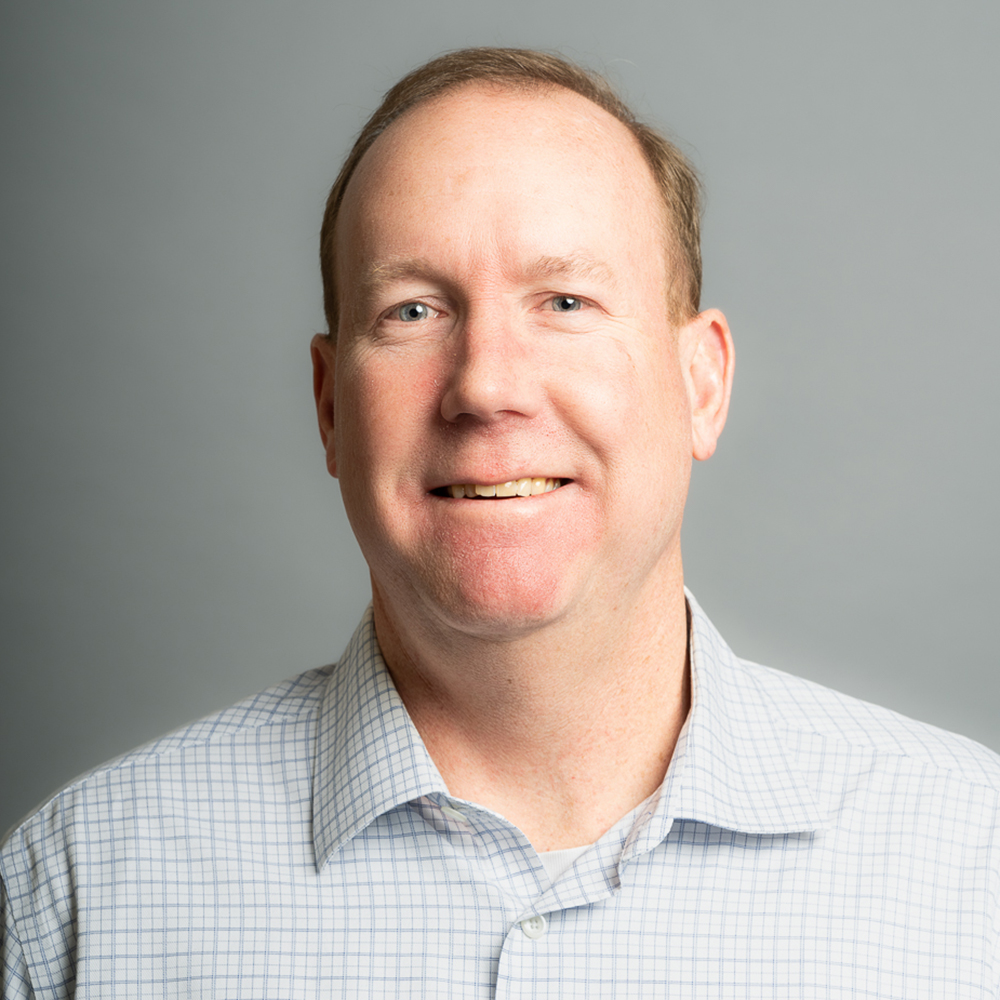
Kevin DeYoung CPA, AEP
Partner, Larson Gross Advisors
Kevin joined Larson Gross in 1994 after earning a Bachelor of Science in Accounting from Calvin College and became a Partner in 2008. As the firm’s Estate Planning & Trusts expert and an Accredited Estate Planner, he helps individuals, families, and business owners navigate estate planning, retirement planning, trust administration, and tax strategies.
He works closely with clients to develop plans that align with their personal, family, and financial goals and is a frequent speaker on estate and retirement planning topics.
Kevin is actively involved in the community, serving on the Investment & Finance Committee of the Whatcom Community Foundation and as a director of the Northwest Estate Planning Council, where he previously served as president and treasurer. He is also a member of the American Institute of Certified Public Accountants and the Washington Society of Certified Public Accountants.