
 INSIGHTS
Lets Have Better Meetings
by Larson Gross
ARTICLE | March 05, 2026
Because meetings aren’t interruptions to productivity — they are where work gets done.
The meeting starts five minutes late.
No agenda.
A few vague statements.
And at the end, someone asks: “So… what are we doing next?”
We’ve all been in that meeting.
Time is limited and priorities compete daily — meetings that lack clarity don’t just feel frustrating. They stall momentum. Harvard Business Review reports executives spend nearly 23 hours a week in meetings. That’s a significant portion of our working time. Meetings are not neutral. They either move important work forward — or they quietly slow it down. If we want better outcomes, we need better meetings.
Start With This Question: Do We Need the Meeting?
Not every issue requires real-time collaboration.
Some updates belong in a Teams channel.
Some decisions can be made in a shared document.
Some discussions benefit from reflection before conversation.
Before scheduling the meeting, ask: Is a meeting the fastest way to create clarity and move this forward? If the answer is no, don’t schedule it.
Make Progress the Point
When a meeting is necessary, clarity must lead.
Every meeting should answer:
- Why are we meeting?
- What will we walk away with?
Framing agenda items as questions is one of the simplest ways to improve focus.
Instead of:
“Project Update”
Ask:
“What are the next three steps to move this forward?”
Topics invite conversation. Questions drive decisions. And decisions create momentum.
Design for Engagement — and Ownership
Many meetings fail because they’re structured as presentations.
One person speaks.
Everyone else listens.
Energy plummets.
But meeting time should be reserved for collaboration, problem-solving, and decision-making. Updates can almost always be shared asynchronously. Before the meeting, think about how you will invite people to actively engage. There are so many easy tools to build engagement.
Here are a handful of options:
- A poll to surface priorities
- A shared whiteboard to visualize themes
- A show of hands to test alignment
- Sticky notes to generate ideas before discussion
When people are invited to contribute, they take ownership. And ownership drives follow-through. The structure of your meeting shapes the results you produce.
Collaboration Shouldn’t Start or End in the Meeting
Consider how this meeting is part of a larger collaboration process. How might you drive progress before, during and after the meeting time?
Before the meeting:
Share materials in advance so discussion can focus on decisions — not information transfer.
During the meeting:
Keep the conversation anchored to the purpose and outcomes. Make decisions and questions visible.
After the meeting:
Confirm what was decided. Clarify who owns each next step. Set deadlines.
If no one knows what happens next, the meeting was incomplete. Momentum is built when collaboration flows before, through, and beyond the meeting.
Your Meeting Checklist
✓ Do we need this meeting? Can we move this work forward in another way?
✓ What decision or outcome are we aiming for? What is our purpose for meeting?
✓ Are agenda items framed as questions to answer, where possible?
✓ Who truly needs to be there – and do they understand their role?
✓ How will I engage participants throughout the meeting?
✓ Plan to close with clarity – what decisions did we make and who needs to know? What happens next, who owns it, and when do we need it to happen?
Save this for the next time you plan a meeting.
Better meetings aren’t about talking more. They’re about making decisions, creating clarity, and driving important work forward. Because meetings aren’t interruptions to productivity. They’re where the work gets done.
Let's Talk!
Call us at (360) 734-4280 or fill out the form below and we'll contact you to discuss your specific situation.
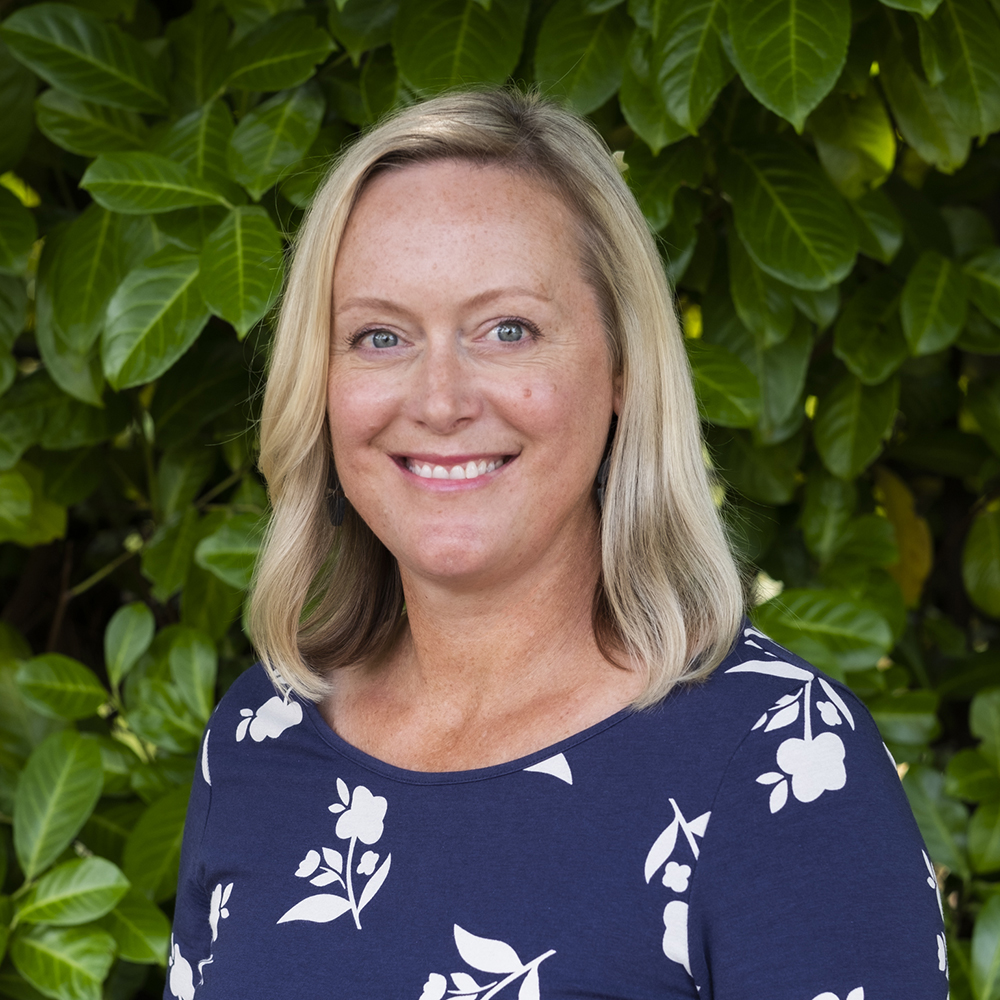
Rachel Myers
Employee Engagement Manager
Rachel joined Larson Gross in 2023 after spending most of her career in nonprofit leadership and communications. Most recently, she worked as a consultant, sharing her expertise in strategic assessment and meeting facilitation, and supporting teams in defining their values and building healthy organizational cultures. (Fun fact: LG was one of her clients during her consulting work!)